
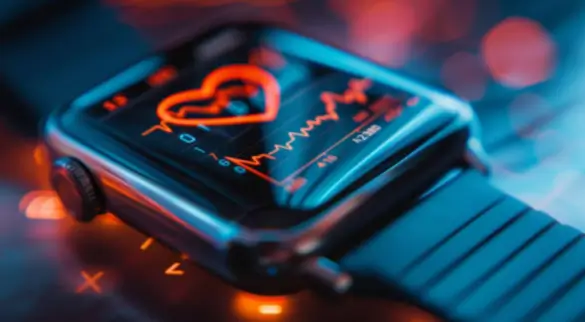
How Smartwatches Have Become Everyday Technology Accessories

Smartwatches have shifted from novelty to everyday tools by consolidating timekeeping, alerts, and health tracking on the wrist. They integrate with routine tasks, enabling hands-free efficiency and subtle autonomy. The devices balance form and function, with privacy-conscious data handling and reliable battery life that support extended use. As ecosystems expand with apps and wellness insights, their role in daily life becomes more nuanced, inviting closer examination of impact and adoption rather than mere utility.
How Smartwatches Fit Into Everyday Routines
Smartwatches have evolved from niche gadgets to practical daily tools by integrating core functions—timekeeping, notifications, and health tracking—into a single wrist-worn device.
In routine contexts, they streamline tasks, replace multiple devices, and encourage punctuality.
The analysis notes comfort trends and fashion integration as drivers, enabling wearer autonomy while balancing form and function with deliberate, minimal design choices.
Assessing Health, Fitness, and Wellness Features
Devices should protect user privacy while delivering reliable data, transparent algorithms, and controllable sharing, ensuring credibility, trust, and sustained adoption in diverse lifestyles.
See also: How Search Engines Discover and Index Web Pages
From Notifications to Hands-Free Productivity
Battery life remains pivotal; sustained, low-drift operation underpins trust in wearables as liberated productivity tools rather than perpetual reminders.
Choosing the Right Smartwatch for Your Lifestyle
Choosing the right smartwatch for a given lifestyle hinges on aligning core capabilities with daily routines and priorities. Selection should prioritize smartwatch design that matches form, ergonomics, and wearability, while battery longevity ensures uninterrupted use throughout demanding days.
Users should compare health tracking, app availability, and water resistance, balancing aesthetics with function to sustain autonomy, credibility, and personal freedom in everyday wear.
Frequently Asked Questions
How Do Smartwatches Handle Privacy and Data Security?
Smartwatches prioritize privacy controls and data encryption, implementing local processing, secure authentication, and limited data transmission. They employ regular software updates, consent-based data sharing, and risk assessments to balance usability with security for users seeking freedom.
Can Smartwatches Replace a Smartphone Entirely?
“To be sure” watches cannot fully replace smartphones. They offer partial replacement smartphones, but rely on data portability, companion devices, and network access; limitations persist in apps, storage, camera, and multitasking for autonomous use.
What Are the Battery Life Expectations in Real Use?
Answer: Real-world battery life varies; typical usage yields 1–2 days on smartwatches with mixed features, influenced by screen brightness and sensors. Battery efficiency improves with optimized charging habits, though frequent GPS or LTE tasks still drain quickly.
Do Smartwatches Work With Non-Native Apps?
Third party apps can run on some smartwatches, contingent on platform and manufacturer constraints; app compatibility varies. While many devices support limited third party apps, others restrict functionality, prioritizing security and performance over broader, uncurated freedom.
Are There Accessibility Features for All Abilities?
Yes; accessible design and inclusive controls exist, with privacy safeguards and careful data handling. Battery longevity and charging efficiency matter, while app ecosystems and cross platform compatibility shape usability for diverse users in a freedom-minded, analytical framework.
Conclusion
Smartwatches have firmly integrated into daily life, morphing from novelty gadgets into reliable, multi-tool companions. They streamline routines, monitor health, and enable hands-free productivity without demanding attention or constant charging. A common objection is cost: premium devices may be pricey, yet the long-term utility—health insights, security, and convenience—often justifies the investment. By balancing aesthetics with durable functionality and transparent data practices, smartwatches sustain credibility as everyday tech accessories rather than temporary fads.



4 Comments